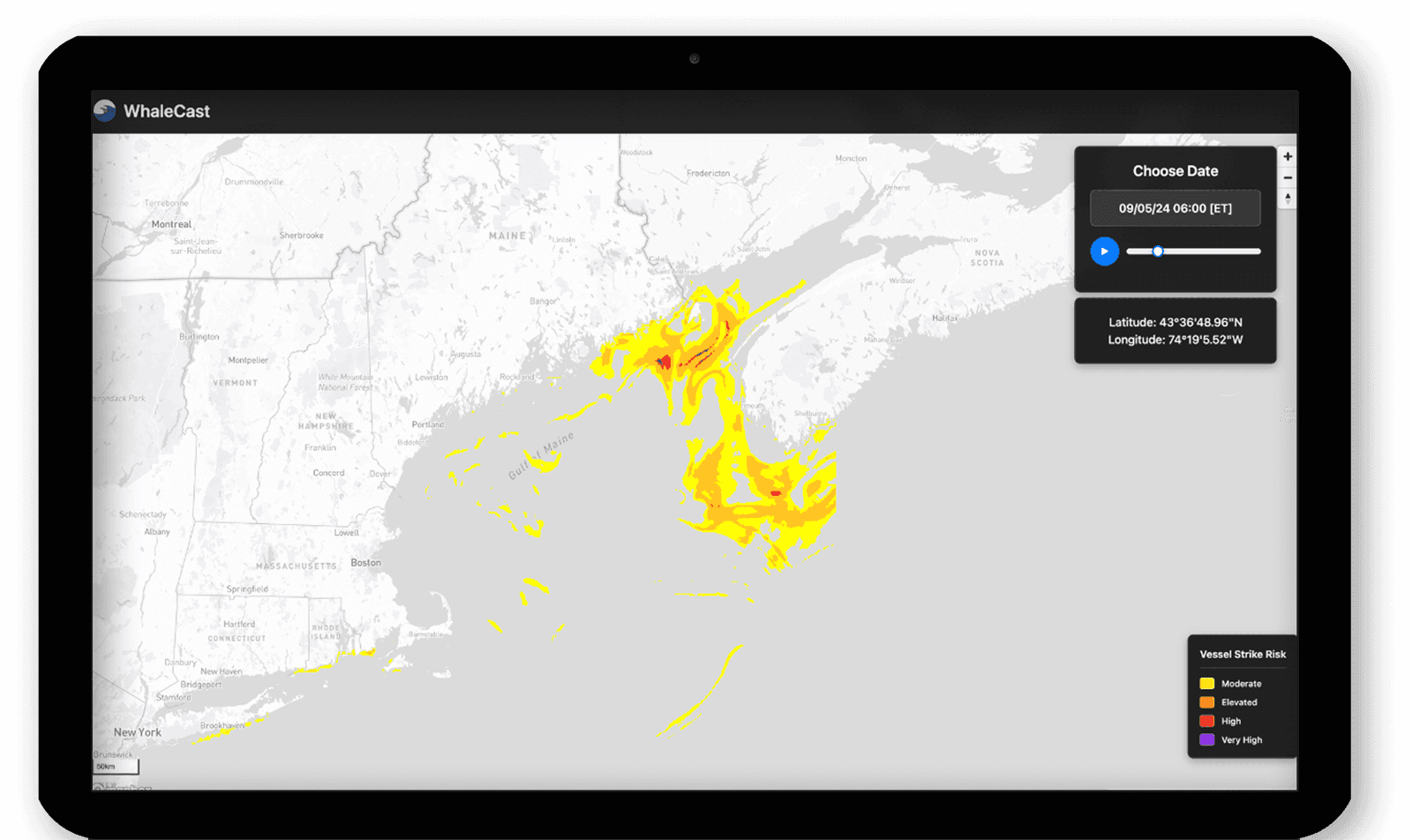
Habitat Modeling at Scale
WhaleCast uses a machine learning model trained on tens of thousands of historical whale sightings and environmental datasets to identify the combinations of oceanographic conditions most associated with whale presence.
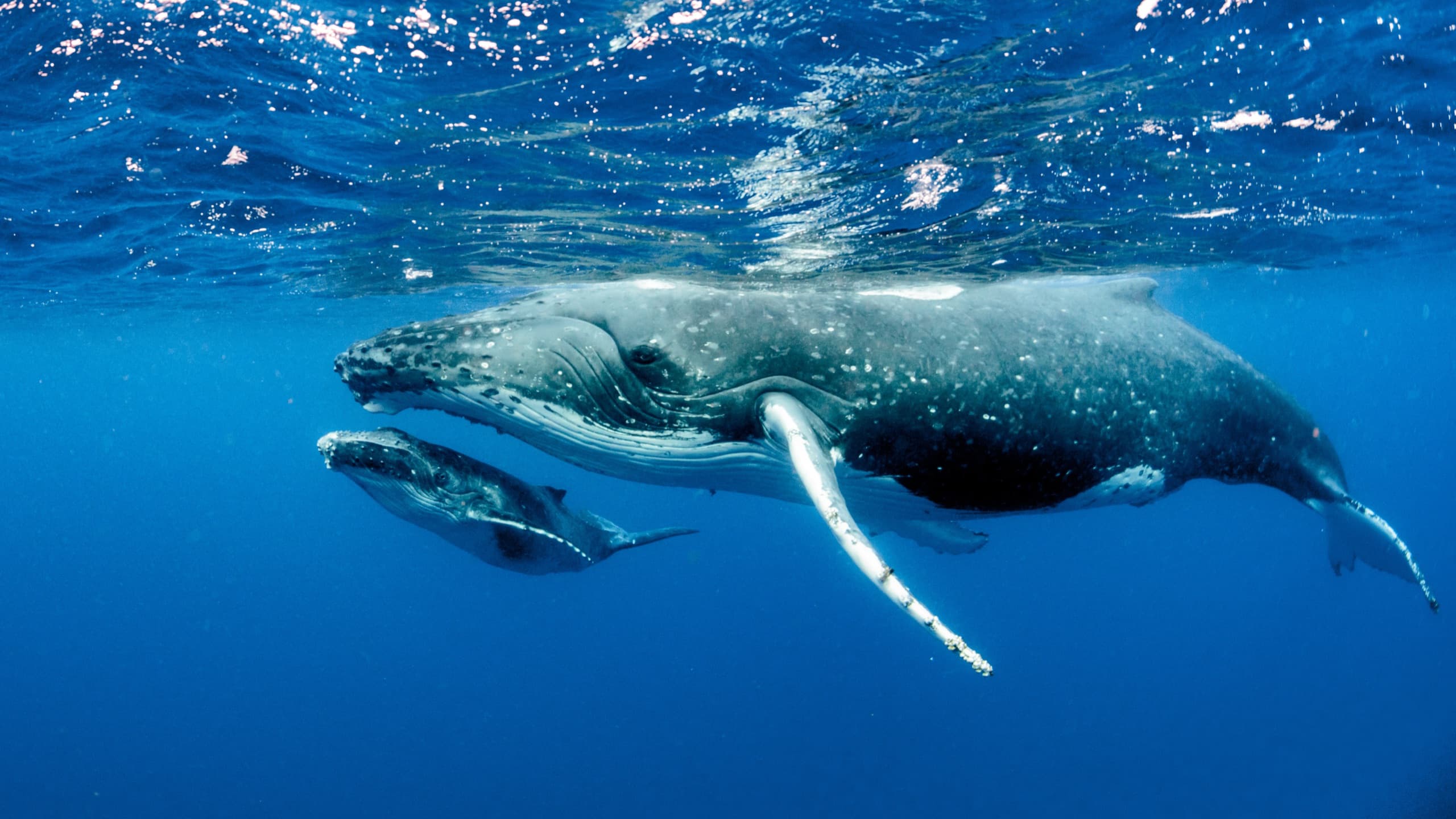
Building the Future of Predictive Whale Avoidance
Despite enormous conservation progress, vessel strikes remain one of the leading threats to vulnerable whale species. For the North Atlantic Right Whale, with fewer than 370 individuals remaining, every collision has population-level consequences.
Current whale protection efforts rely heavily on detection and broad management measures. While these approaches play an important role in reducing vessel strike risk, detection is fundamentally reactionary. Prediction offers an opportunity to look ahead, identifying where whales are likely to occur and helping vessels avoid high-risk areas before an encounter. That’s where WhaleCast comes in.
Learn more about the WhaleCast Prototype and WhaleCast Initiative below.
The Technology
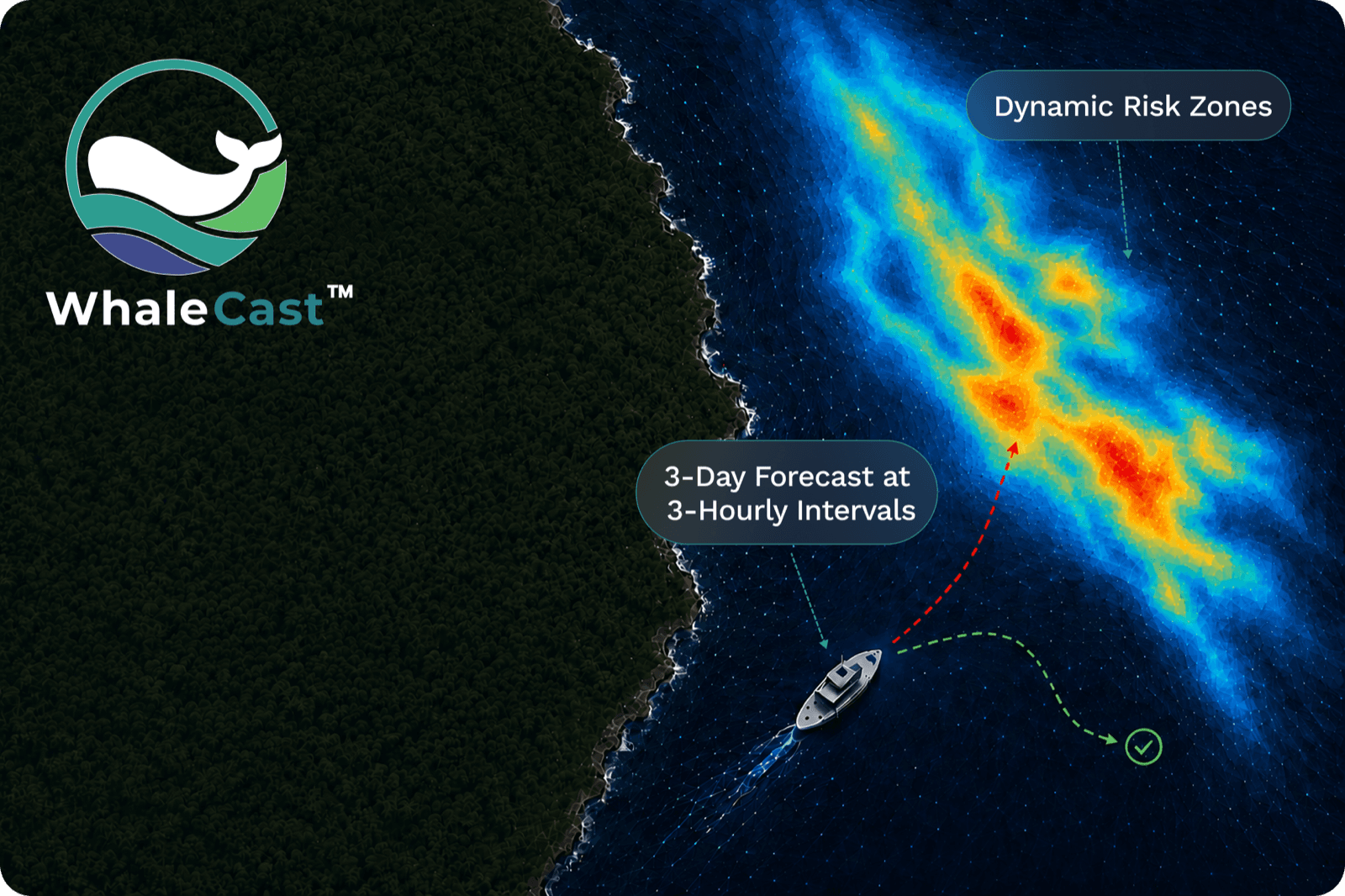
The WhaleCast Prototype combines ocean forecasting and ML-based habitat modeling to predict where and when whales are likely to occur, providing mariners with advance insight to reduce vessel strike risk (currently applied only to North Atlantic Right Whales).
WhaleCast uses a machine learning model trained on tens of thousands of historical whale sightings and environmental datasets to identify the combinations of oceanographic conditions most associated with whale presence.
The trained habitat model is applied to current and forecasted ocean conditions, including ocean temperature, ocean color, currents, and other environmental variables, to predict where favorable whale habitat is likely to develop. These ocean forecasts are powered by Fathom's proprietary ARMS (Automated Relocatable Modeling System) platform.
The result is a dynamic, hourly heat map forecasting whale occurrence up to three days in advance. The forecast identifies areas where the likelihood of whale presence ranks highly relative to years of analyzed oceanographic conditions, helping mariners make more informed decisions about where and when to navigate.
WhaleCast represents a vision for bringing predictive whale habitat modeling into operational decision-making for the maritime industry. While habitat models have traditionally informed research and conservation, WhaleCast is designed to provide predictive information directly to mariners.
WhaleCast is defining predictive whale avoidance as an emerging field, with important scientific, operational, and regulatory questions that we hope to answer through the WhaleCast Initiative (see below) before these forecasts can become part of routine maritime operations.
In its current form, the WhaleCast Prototype demonstrates sample vessel strike risk forecasts for North Atlantic Right Whale along the U.S. East Coast. Our vision is a future where predictive whale occurrence forecasts are available globally, helping make our oceans safer for both wildlife and maritime operations.
The Program
Developing a reliable predictive tool is only part of the challenge. Determining how that tool earns the scientific credibility, regulatory acceptance, and social license necessary to operate at sea requires a different kind of work. The WhaleCast Initiative is a 12-month, two-session program bringing together researchers, regulators, industry operators, and technology developers to define what responsible deployment looks like and what it takes to get there.
Led by
With

Funded in part by
Session 1
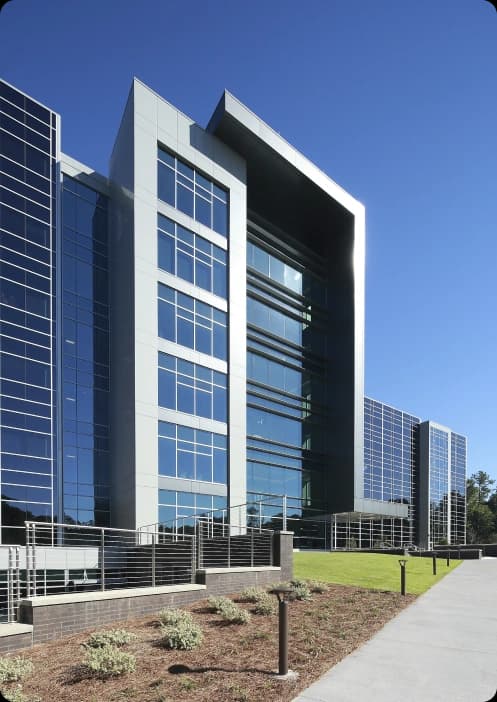
October 8–9, 2026 · SAS Campus, Cary, NC · Invite Only
Session 2
2027 · Location TBD
The WhaleCast Journey
October 2023
After applying Fathom's ocean analytics to identify favorable fishing conditions, we saw an opportunity to apply a similar approach to decades of historical whale sightings. This sparked the development of the first WhaleCast prototype to forecast areas of elevated whale occurrence.
December 2023
Invited to speak at a Bureau of Ocean Energy Management (BOEM) workshop exploring emerging technologies for predicting North Atlantic right whale occurrence. The discussion brought together researchers and industry to evaluate the future of predictive modeling and dynamic ocean management.
March 2024
Participated in NOAA's North Atlantic Right Whale Vessel Strike Risk Reduction Technology Workshop, bringing together experts to evaluate emerging technologies that can help reduce vessel strikes. Discussions explored how predictive models, whale detection systems, and decision-support tools can complement one another to improve maritime safety.
Read more about the workshop
April 2024
Fathom Science joined the WAVS Task Force, a collaborative industry group that meets monthly and is dedicated to advancing technologies that reduce whale vessel strikes. As part of the Task Force, Fathom Science contributes to conversations shaping the development and integration of next-generation whale avoidance technologies.
Read more about the WAVS Task Force
May 2024
Presented WhaleCast alongside other emerging marine technologies during a Capitol Hill briefing for members of Congress and federal officials. The event highlighted technology-based alternatives that can support more adaptive vessel strike management.
July 2024
Began a collaboration with SAS through its Data for Good initiative to validate and enhance WhaleCast. The partnership combines Fathom's ocean forecasting expertise with SAS's analytics capabilities to advance predictive whale avoidance.
Read more about Fathom's work with SAS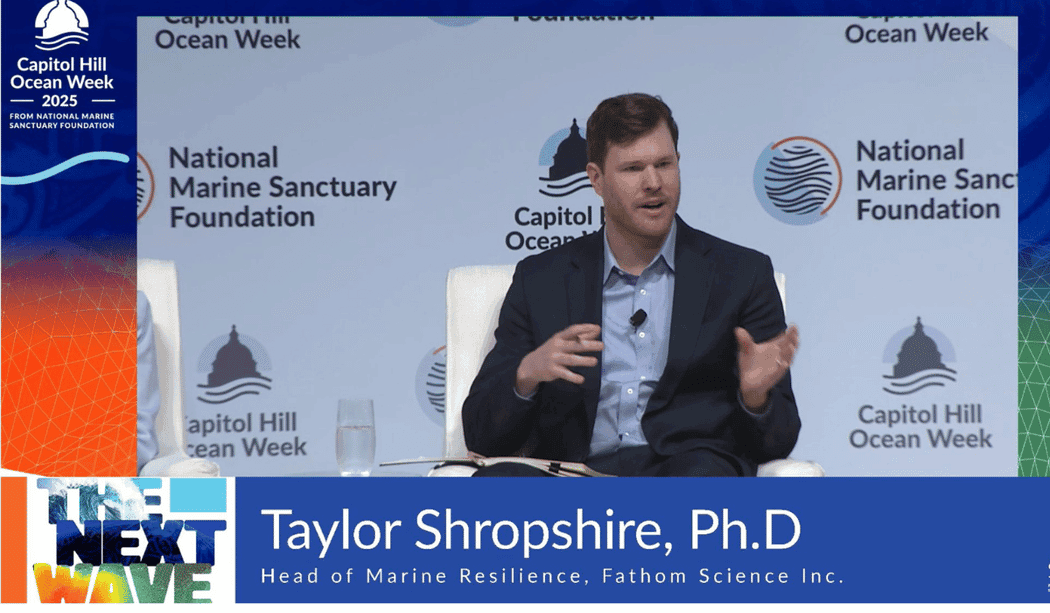
May 2025
Fathom Science served on a panel discussion at Capitol Hill Ocean Week, the nation's premier ocean policy conference sponsored by the National Marine Sanctuary. The session brought together leaders from government, industry, and academia to discuss emerging technologies shaping the future of ocean stewardship.
June 2025
Received funding through the National Fish and Wildlife Foundation's Vessel Strike Avoidance Fund to advance WhaleCast development and strengthen community engagement. The award supports the next phase of predictive whale avoidance technology and collaboration with stakeholders across science, industry, and government.
Learn more about the NFWF Vessel Strike Avoidance Fund
January 2026
Began conversations with SAS and researchers at Duke University to explore the responsible deployment of predictive whale avoidance. The idea evolved into a broader initiative addressing outstanding questions that extend beyond any single technology or organization.
October 2026
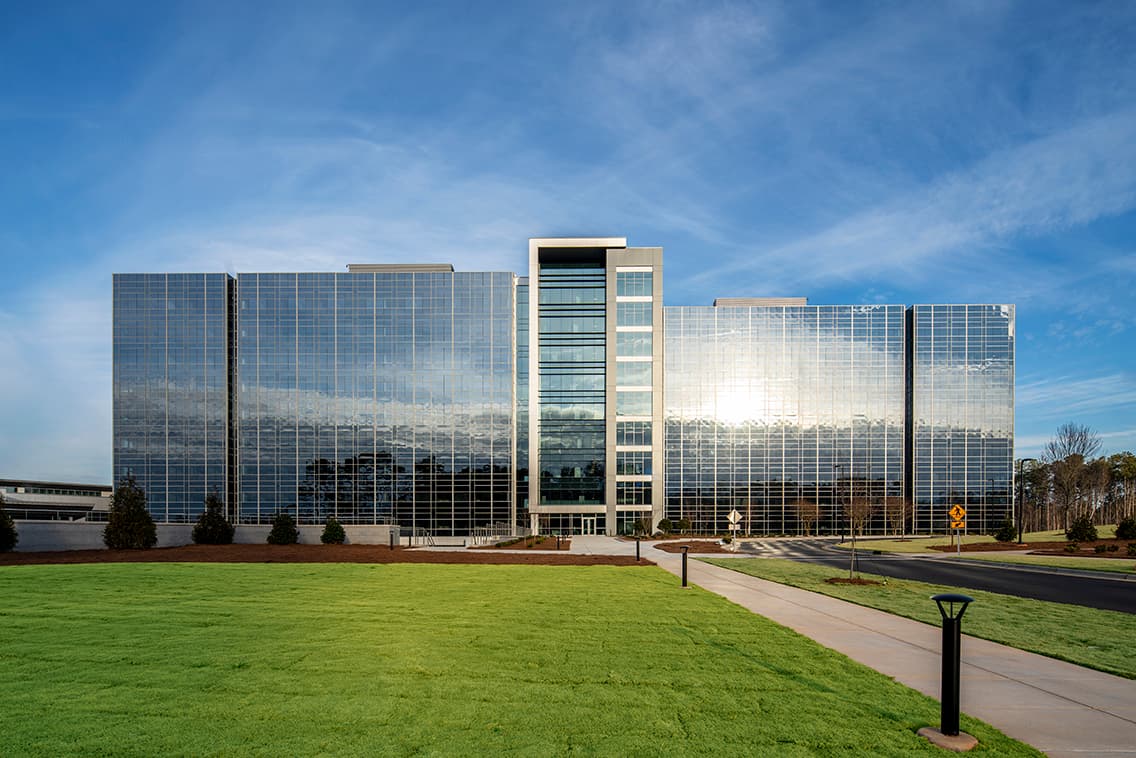
Will convene leaders across science, technology, industry, and government at the SAS campus in Cary, North Carolina, for Emerging Technologies & Standards, the first WhaleCast Initiative session focused on defining predictive whale avoidance and evaluating its potential as an operational approach.

April 2027
Will reconvene leaders across science, technology, industry, and government at the SAS campus in Cary, North Carolina, for Regulatory & Operational Pathways, the second WhaleCast Initiative session focused on identifying pathways for the responsible deployment and adoption of predictive whale avoidance.
Future
A future where predictive whale avoidance enables more efficient, informed operations at sea while strengthening protections for vulnerable whale species, creating better outcomes for both the marine industry and whale conservation.